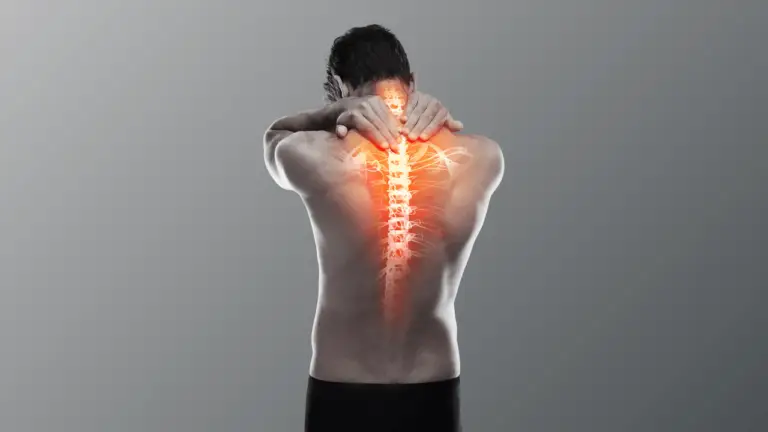
Back pain is a common condition that affects people of all age groups. It can result from poor posture, injury, muscle strain, or underlying medical conditions like disc problems or arthritis. At our center, we provide effective, non-surgical treatments focused on relieving pain, improving mobility, and restoring quality of life. Our approach includes physical therapy, pain management, posture correction, and lifestyle guidance tailored to each individual's needs.
● Poor Posture: Sitting or standing improperly for long periods can strain back muscles and spinal structures.
● Muscle or Ligament Strain: Sudden movements, lifting heavy objects, or overuse can cause painful strains or spasms.
● Herniated or Bulging Discs: Discs act as cushions between the bones in the spine. A slipped or ruptured disc can press on nerves,leading to pain.
● Arthritis: Osteoarthritis can affect the lower back, leading to stiffness and chronic discomfort.
● Maintain Good Posture:Sit and stand upright with your shoulders back and spine aligned. Use ergonomic chairs and avoid slouching.
● Lift Objects ProperlyBend your knees and keep your back straight when lifting. Avoid twisting your body while carrying heavy loads.
● Exercise Regularly Strengthen your core muscles to support your spine. Low-impact exercises like walking, swimming, and yoga are effective.
● Maintain a Healthy Weight Excess weight puts pressure on your spine. A balanced diet and regular exercise can help manage weight.
● Practice good posture:Stand and sit upright with your shoulders relaxed. Avoid slouching, especially while using phones or computers.
● Exercise regularly: Strengthen your core muscles through walking, yoga, or stretching to support your spine and reduce strain.
● Lift properly :Always bend your knees and lift with your legs, not your back. Avoid twisting your body while lifting.
● Use ergonomic furniture : Choose chairs with proper back support and adjust your workspace to reduce pressure on your lower back.
● Poor Posture: Slouching or sitting improperly for long hours places stress on the spine and surrounding muscles.
● Lack of Physical Activity: Weak core and back muscles due to inactivity can lead to poor spinal support and increased strain.
● Obesity : Excess weight puts additional pressure on the spine and lower back.
● Genetics : Some spinal conditions, such as herniated discs or scoliosis, may have a hereditary component.
● Physiotherapy : Customized exercises and stretches to strengthen back muscles, improve posture, and increase flexibility.
● Pain Management Injections : Targeted injections like trigger point therapy or nerve blocks to reduce inflammation and control pain.
● Manual Therapy : Hands-on spinal manipulation or mobilization techniques performed by trained professionals to restore movement and relieve tightness.
● Medical History The doctor will ask about your symptoms, lifestyle, injury history, duration of pain, and any activities that worsen or relieve it.
● Physical Examination Your spine, posture, flexibility, and nerve response are examined. This helps identify pain sources like muscle strain or nerve irritation.
● Imaging Tests X-rays – to detect bone issues like fractures or arthritis MRI or CT scans – to identify soft tissue problems like herniated discs.
● Primary Care Physician Often your first point of contact, they assess your condition and refer you to specialists if needed.
● Physiatrist (Rehabilitation Specialist) Focuses on physical medicine and rehabilitation without surgery, using customized non-invasive treatments.
● Orthopedic or Spine Specialist Experts in diagnosing and treating bone and spine disorders, including surgical and non-surgical options.
● Neurologist Consulted when nerve-related pain or symptoms such as numbness, tingling, or weakness are involved.
● Physical Therapist Designs exercise plans to improve flexibility, strength, and posture, aiding in pain relief and recovery.
● What causes back pain? Back pain can be caused by poor posture, muscle strain, disc problems, arthritis, injuries, or a sedentary lifestyle.
● When should I see a doctor for back pain? You should see a doctor if the pain lasts more than a week, spreads down your leg, causes numbness or weakness, or follows an injury.
● Can back pain go away on its own? Mild back pain often improves with rest, exercise, and good posture. However, persistent or severe pain requires medical evaluation.
● Is surgery the only option for back pain? No. Most back pain cases are treated successfully with non-surgical methods such as physical therapy, medication, or injections.
Back pain is common and often improves with rest, stretching, and self-care. However, you should consult a doctor if the pain lasts longer than a week, becomes more severe, or begins to interfere with your daily activities. It’s especially important to seek medical attention if the pain spreads to your legs, causes numbness or tingling, or is accompanied by weakness
Back pain is treated based on its cause, severity, and duration. In most cases, doctors begin with conservative, non-surgical approaches such as physical therapy, medications, posture correction, and lifestyle changes. Pain-relieving treatments may include muscle relaxants, anti-inflammatory drugs, or targeted injections

Disc Degeneration

Spondylolisthesis

Spinal Stenosis

Facet Joint Arthropathy
Sacroiliac Joint Arthropathy
Coccydynia - Tailbone Pain