Ankle pain refers to any kind of discomfort or inflammation in or around the ankle joint. It can result from injuries such as sprains, fractures, or conditions like arthritis or tendonitis. The pain may be sharp, dull, constant, or occasional, and it can limit mobility if left untreated.Ankle pain is a common issue that can affect people of all ages. It may result from sudden injuries like sprains or fractures, or from long-term conditions such as arthritis or tendon inflammation.
● Sharp or stabbing pain under the heel (especially in the morning)
● Dull ache at the back of the heel (worsens with activity)
● Swelling, redness, or warmth around theheel
● Tenderness when touching the heel
● Pain after prolonged standing or walking
● Bottom of the heel:Common in plantar fasciitis (sharp pain, especially in the morning)
● Back of the heelRelated to Achilles tendonitis or bursitis (aching or burning pain)
● Underside center of the heel May be due to fat pad atrophy or stress fracture.
● Inner side of the heel Could be caused by nerve compression (burning or tingling sensation).
● Overuse or excessive activity: Running, jumping, or standing for long hours
● Improper footwear: Wearing unsupportive shoes or walking barefoot on hard surfaces
● Flat feet or high arches: Abnormal foot structure puts stress on the heel
● Obesity or being overweight: Extra weight increases pressure on the heel
● Tight calf muscles or Achilles tendon: Reduces flexibility and strains the heel
● Plantar Fasciitis: Inflammation of the ligament that runs along the bottom of the foot; pain is usually worst in the morning.
● Heel Bursitis: Swelling of the fluid-filled sac (bursa) at the back of the heel, causing pain and stiffness.
● Tarsal Tunnel Syndrome: Compression of the tibial nerve near the ankle, causing burning or tingling heel pain.
● Fat Pad Atrophy: Thinning of the natural fat cushion under the heel, leading to chronic pain while walking or standing.
● Plantar Fasciitis: Inflammation of the tissue at the bottom of the foot,Causes sharp pain, especially in the morning.
● Heel Spurs: Bony growth under the heelbone,Often occurs with plantar fasciitis.
● Achilles Tendonitis: Inflammation of the tendon at the back of the heel,Pain worsens with walking or running.
● Heel Bursitis: Swelling of a fluid-filled sac at the back of the heel,Causes tenderness and pain when wearing shoes .
● Achilles Tendinitis: Inflammation of the Achilles tendon (connects calf muscles to the heel),Pain and stiffness at the back of the heel, especially after physical activity.
● Retrocalcaneal Bursitis: Inflammation of the bursa (fluid-filled sac) between the heel bone and Achilles tendon,Causes swelling and tenderness behind the heel, especially when wearing shoes.
● Achilles Tendon Rupture: Partial or complete tear of the Achilles tendon,Sudden sharp pain or popping sensation behind the heel.
● Ankle Sprain: Most common cause of ankle pain,Stretching or tearing of ligaments due to twisting or rolling the ankle.
● Arthritis (Osteoarthritis or Rheumatoid Arthritis): Inflammation or degeneration of the ankle joint,Causes stiffness, swelling, and chronic pain.
● Tendonitis: Inflammation of ankle tendons (e.g., Achilles, peroneal, posterior tibial),Results from overuse or improper movement.
● Gout: A form of arthritis caused by uric acid crystal buildup,Causes sudden, intense pain, redness, and swelling in the ankle .
● Achilles Tendinitis: Inflammation of the Achilles tendon (connects calf muscles to the heel),Pain and stiffness at the back of the heel, especially after physical activity.
● Retrocalcaneal Bursitis: Inflammation of the bursa (fluid-filled sac) between the heel bone and Achilles tendon,Causes swelling and tenderness behind the heel, especially when wearing shoes.
● Achilles Tendon Rupture: Partial or complete tear of the Achilles tendon,Sudden sharp pain or popping sensation behind the heel.
● Medical History: Doctor asks when and how the pain started,Checks if pain is worse in the morning or after activity
● Physical Examination: Checks heel for tenderness, swelling, or warmth,Examines foot arch and posture.
● Imaging Tests: X-ray: Detects heel spurs, fractures, arthritis,Ultrasound: Checks soft tissues like plantar fascia or Achilles tendon
● Lab Tests: Blood test: To rule out conditions like gout, rheumatoid arthritis, or infections .
● Rest & Activity Modification: Avoid activities that worsen pain (e.g., running, jumping),Use crutches or support if needed to offload weight.
● Ice Therapy: Apply ice packs for 15–20 minutes, 2–3 times a day ,Reduces inflammation and pain.
● Medications: NSAIDs (e.g., ibuprofen, naproxen) for pain relief and swelling,Topical anti-inflammatory creams/gels.
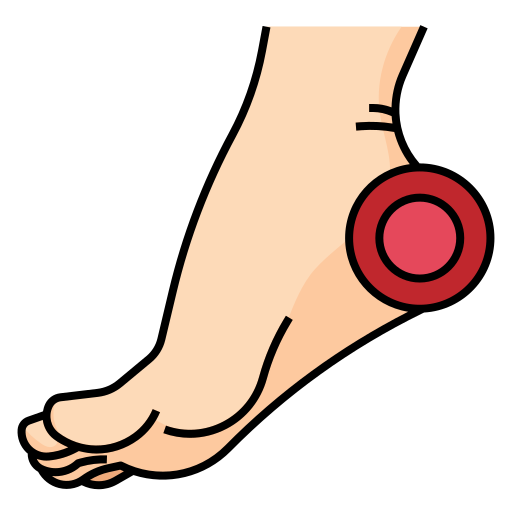
Heel Pain
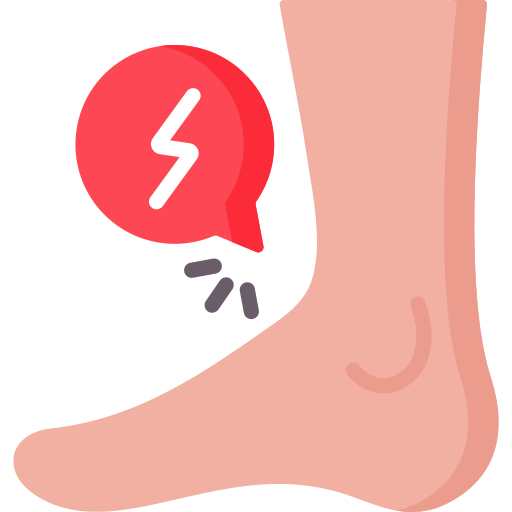
Ankle Pain