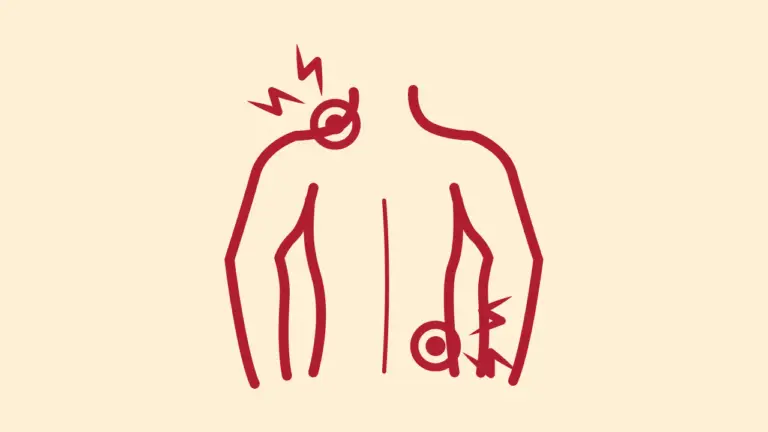
Muscle pain, also known as myalgia, is a common condition that can affect one or more muscles in the body. It is usually caused by overuse, strain, or injury during physical activities, but can also result from infections such as the flu, or chronic conditions like fibromyalgia. The pain may feel like a dull ache, stiffness, or soreness and can worsen with movement or pressure. In some cases, medications or autoimmune diseases may also contribute to persistent muscle pain.
●Overuse or strain: Intense exercise, heavy lifting, or repetitive movements without proper warm-up.
●Muscle injuries: Sprains, tears, or trauma can cause localized muscle pain.
●Tension and stress: Emotional or physical stress often causes tightness and pain, especially in the neck and shoulders.
●Aching or soreness: A common feeling of dull, deep discomfort in the muscles.
●Stiffness or tightness: The affected muscles may feel hard, tense, or difficult to move.
●Tenderness to touch: Pressing the muscle may cause noticeable pain or sensitivity.
●Warm up before exercise: Gentle stretching and light movement prepare muscles for activity and reduce the risk of strain.
●Cool down after workouts: Stretching after exercise helps relax muscles and prevent tightness or soreness.
●Stay hydrated: Drinking enough water supports muscle function and prevents cramps and fatigue.
●Avoid overexertion: Gradually increase the intensity of workouts to avoid pushing your muscles too hard.
●Take regular breaks: During long periods of sitting or standing, take breaks to stretch and move to avoid stiffness.
●Medical History Review: The doctor will ask about the onset, location, severity, and duration of the pain, as well as any recent physical activity, injuries, illnesses, or medications.
●Physical Examination: They will examine the affected area for tenderness, swelling, stiffness, strength, and range of motion to identify signs of strain, inflammation, or injury.
●Pain Pattern Evaluation: Identifying whether the pain is localized or widespread helps distinguish between injury, infection, or systemic conditions like fibromyalgia
●Home Remedies & Self-Care: Avoid activities that worsen the pain to allow the muscles time to heal.
●Ice or heat therapy: Ice helps reduce inflammation, especially in the first 48 hours, Heat relaxes tense muscles and improves blood flow after the initial swelling has gone down.
●Gentle stretching: Light stretching can relieve tightness and improve flexibility.
Acute Muscle Pain

Delayed Onset Muscle Pain

Leg Cramp Pain
Localized Muscle Pain