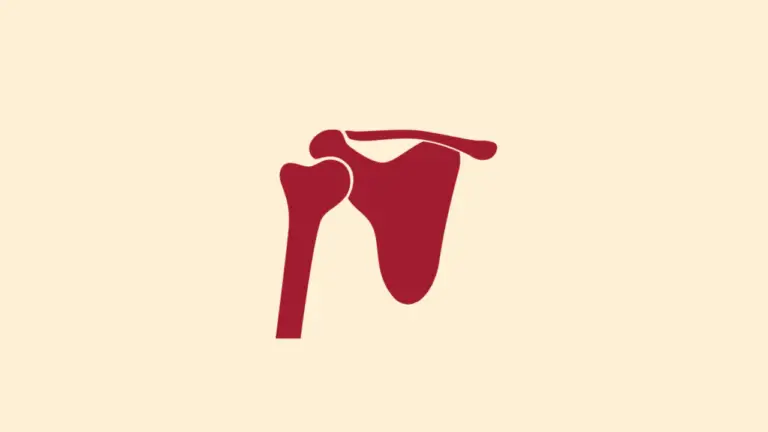
A rotator cuff tear is an injury to the group of four muscles and tendons that surround the shoulder joint, known as the rotator cuff. These muscles help keep the shoulder stable and allow for a wide range of arm movements like lifting, reaching, and rotating. A tear occurs when one or more of these tendons are damaged or completely detached from the bone. This can happen suddenly due to an injury, such as a fall or lifting something heavy, or gradually over time from wear and tear, especially in older adults.
●Partial tear: This type of tear will also be known as an incomplete tear. It hurts that the tendon but doesn’t completely harm it. A partial tear occurs when any one of the muscles that make the rotator cuff is damaged or wrinkled.
●Full-thickness tear: This type of tear will also be known as a complete tear. It separates each one of the tendons in the bone. Having a complete tear, then there’s a gap at the tendon. The alternative is that it’s a complete Tear. This 1 moves all of the ways throughout the tendon or pulls on the tendon from the bone.
●Sudden trauma: A fall on an outstretched arm or shoulder can cause the rotator cuff tendons to tear.
●Heavy lifting: Lifting something too heavy or with improper form can put excessive stress on the shoulder. .
●Forceful pulling or jerking motion: Quick, sharp movements (like pulling or catching a heavy object) can strain or tear the tendons.
●Age (Over 40 years): The risk increases with age due to natural wear and degeneration of tendons.
●Repetitive overhead activity : Jobs or sports involving frequent arm lifting (e.g., painters, carpenters, swimmers, tennis players) strain the rotator cuff.
●Poor posture: Slouching or rounded shoulders can affect shoulder alignment and increase tendon stress.
●Previous shoulder injury : Prior dislocations, fractures, or tendon strains increase the chance of future tears.
●Dull, aching shoulder pain: Often deep in the shoulder, especially after activity or at night.
●Pain when lifting or lowering the arm : Especially during overhead movements or reaching behind the back.
●Shoulder weakness : Difficulty lifting, pushing, or pulling objects — even light ones.
●Limited range of motion : Trouble fully raising the arm or rotating it outward.
Rotator Cuff Tear